


Positive Behaviour Support in Perth, Western Australia

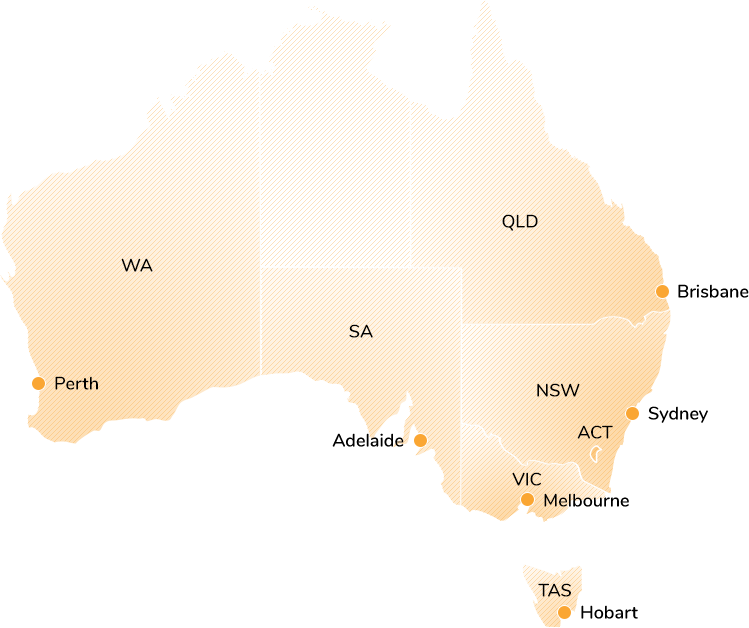
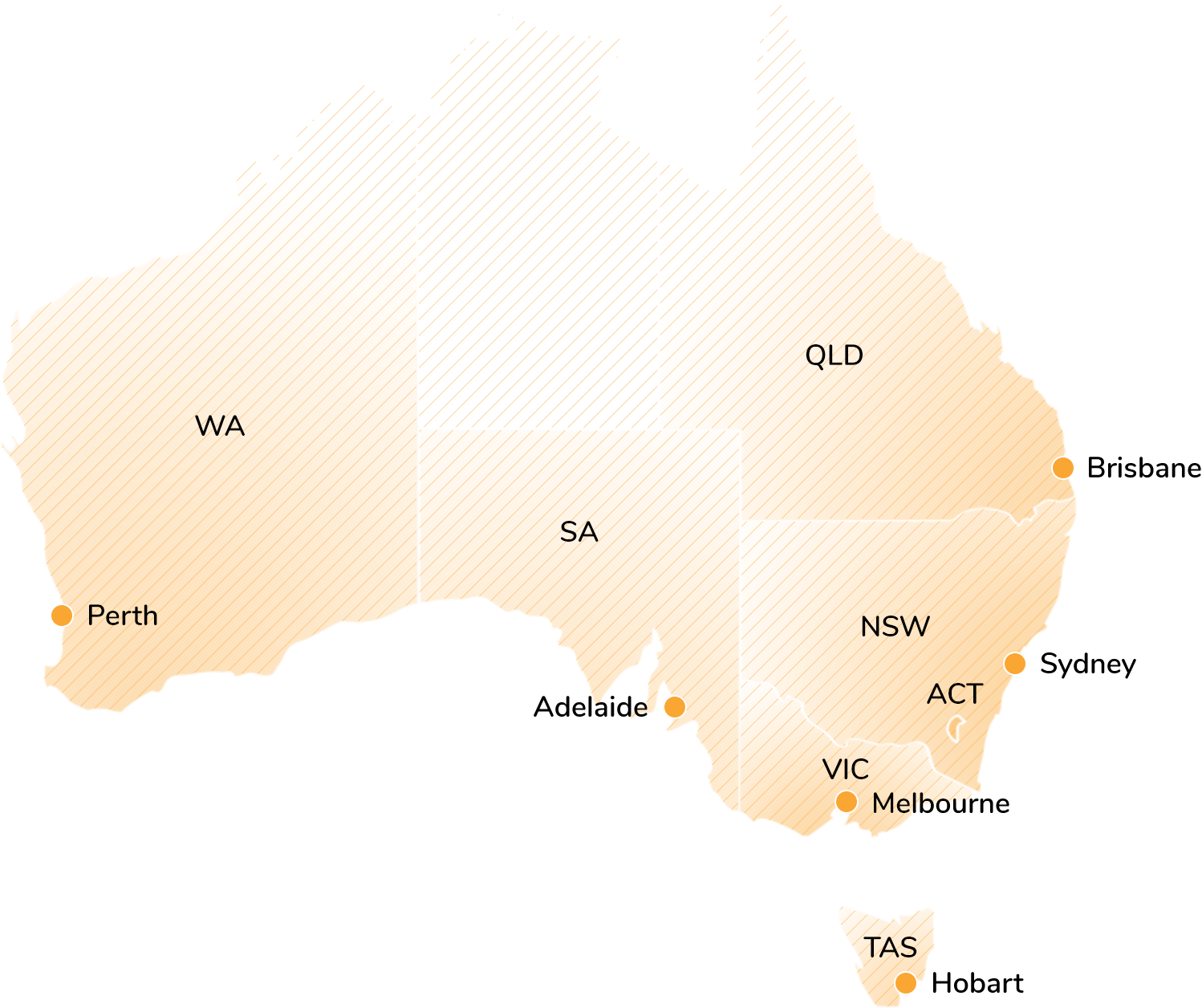
This page is for people seeking Positive Behaviour Support in Perth through the NDIS. Our behaviour support practitioners provide PBS across Perth, Mandurah and Rockingham, using person-centred, evidence-based approaches to improve quality of life.
Find Positive Behaviour Support in Perth from Vic Park, Morley and Subiaco to Mandurah, Rockingham and beyond. Ability Consultants is a Registered NDIS Provider in Perth, supporting individuals with disability. Our mission is to create more freedom and social connection for people with disability through easy access to Positive Behaviour Support. We provide Positive Behaviour Support North of the River, South of the River as well as the eastern suburbs of Perth.
Positive Behaviour Support in Perth
We support NDIS participants around Australia — we started on the east coast and expanded to Western Australia in recent years. In Perth, we provide Positive Behaviour Support North of the River, and South of the River through to Mandurah and Rockingham. Our behaviour support practitioners support participants in the Perth metropolitan area, including:
- North of the River (NOR): Perth, Subiaco, Floreat, City Beach, Claremont, Doubleview, Karrinyup, Marmion, Hillarys, Craigie, Joondalup, Woodvale, Kingsley, Wanneroo, Greenwood, Balcatta, Stirling, Darch, Girrawheen, Alexander Heights, Mirrabooka, Dianella, Noranda, Maylands, Yokine, Mount Hawthorn, Mt Lawley, Bayswater, Bassendean, Brabham, Ellenbrook, and more.
- South of the River (SOR): Victoria Park, South Perth, Belmont, Como, Riverton, Cannington, High Wycombe, Forrestfield, Maddington, Willetton, Bull Creek, Melville, Bibra Lake, Yangebup, Fremantle, Cockburn, Success, Canning Vale, Southern River and more.
- Mandurah and Rockingham: Safety Bay, Waikiki, Warnbro, Baldivis, Parmelia, Wellard, Orelia, Bertram, Port Kennedy, Secret Harbour, Singleton, San Remo, Silver Sands and more.
If you’d like to make a referral for Positive Behaviour Support in Perth, bookmark our website and you can make a referral anytime using our blue “Make a Referral” button!
What is Positive Behaviour Support?
Positive Behaviour Support is all about improving a person’s quality of life; more specifically, it’s about helping an individual with disability find meaningful ways of communicating.
Here’s a helpful video where Belinda explains Positive Behaviour Support:
Who can benefit from Positive Behaviour Support in Perth?
If you have a disability, or you support a person with disability, Positive Behaviour Support can help you. PBS helps not only a person with disability, but also those around them, such as parents, siblings, teachers, support workers and a person’s wider support team.
PBS can even have a flow on effect on a person’s other supports, for example, PBS can make dentist or doctor appointments more manageable and improve a person’s independence in daily tasks. PBS can help a person in a great number of ways, and our PBS practitioners are driven by the knowledge that they can make a real impact on people’s lives.
How can I benefit from Positive Behaviour Support in Perth?
Positive Behaviour Support can help you communicate more effectively with others, building your freedom and ability to make social connections.
Here’s an example of how Positive Behaviour Support can help:
Amanda is ten years old and is on the Autism Spectrum. At meal times, she hits her hand on the table repeatedly, leading to significant bruises on her hand. Amanda’s behaviour is also distressing to her younger siblings.
Amanda’s Behaviour Support Practitioner, Luke, has met with Amanda and her family a few times and along with her family, have completed observations and assessments. Luke has also reviewed reports from Amanda’s school, psychologist, GP and occupational therapist.
Luke considers the information collected and writes a report and/or behaviour support plan. Luke’s role is to find out why Amanda is hitting the table, i.e. what is Amanda trying to communicate? He includes this in his reports.
The next part of Luke’s role is to provide strategies to help Amanda and her family. These are included in Amanda’s plan, and include steps such as ruling out medical issues that might be causing her pain, and proactive and reactive strategies to address the reason for Amanda’s behaviour.
For example, if Amanda is hitting the table because the room is too bright, Amanda might choose to wear sunglasses during dinner or Amanda’s parents might close the curtains before dinner time and dim the lights.
The needs of each person are different and the reasons for each person’s behaviour are unique and often complex. The role of our Behaviour Support Practitioners is to identify the reason for a person’s behaviour and find and teach better ways of communicating this reason.
Positive Behaviour Support in Perth: Frequently Asked Questions
How do I access Positive Behaviour Support in Perth?
Get started with PBS in Perth by making an online referral on our website. You can also bookmark our website for quick, easy access to our referral form.
Who do you support with PBS in Perth?
We provide PBS in Perth, supporting NDIS participants of all ages and abilities. We receive behaviour support referrals from NDIS participants and their families and support teams, as well as support coordinators, NDIS providers, medical and allied health professionals.
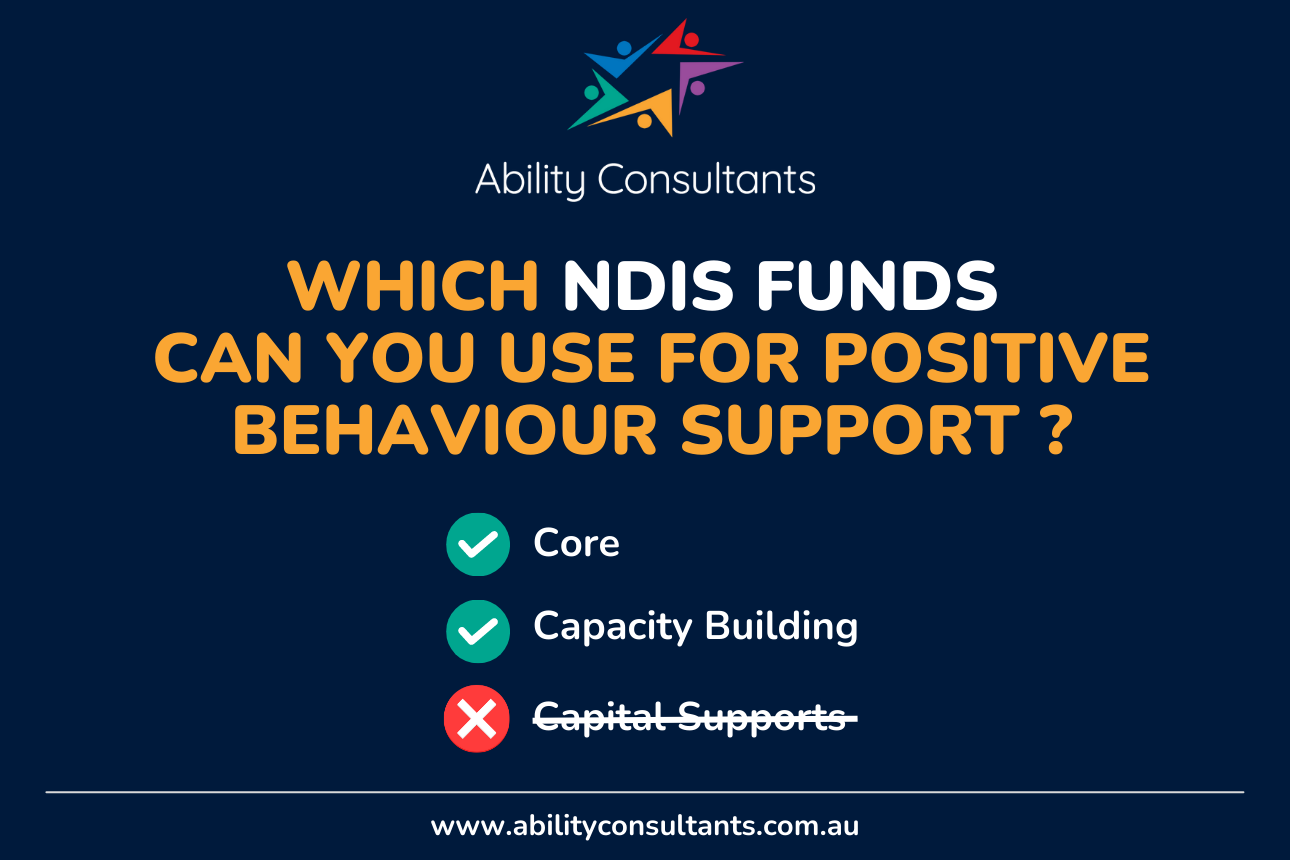
Which NDIS funds can I use for behaviour support in Perth?
In your NDIS Plan, there are three budgets: Core, Capacity Building and Capital Supports. To access Positive Behaviour Support, you can utilise funds from your Capacity Building budget. If required, a limited amount of Core funding can be used to build a report to help you obtain the correct funding.
Click here to view our articles about Positive Behaviour Support and NDIS funds:
- Which NDIS funds can I use for Positive Behaviour Support?
- Frequently Asked Questions about NDIS funding for Positive Behaviour Support
In the articles above, we explain essential information about behaviour support and NDIS funding, and we also answer frequently asked questions including:
- Which support budgets in my NDIS Plan can I use for Positive Behaviour Support?
- Which categories can we use in those support budgets?
- How much funding do I need for Positive Behaviour Support?
What do I do if my NDIS Plan doesn’t include behaviour support funding?
We may be able to assist you if your NDIS Plan doesn’t have specific funding for behaviour support. Please see our funding articles above for more information.
If you’re unsure if your NDIS Plan includes funds for Positive Behaviour Support, you are more than welcome to contact our team on 1300 694 625 or [email protected].
How long does it take to create a Positive Behaviour Support Plan in Perth?
A Positive Behaviour Support plan can take between 2 and 5 months to develop. This is due to the varying complexity, availability of quality data, how regular appointments occur,and the reporting on current restrictive practices in place. At Ability Consultants we strive to create the highest quality positive behaviour support plans in a timely manner that meets the individual needs of the person.
Can your behaviour support practitioners in Perth help with restrictive practices?
Ability Consultants will provide support around Restrictive Practices. This is to ensure they are only used when absolutely necessary, are lawful, and are being actively reduced over time. A focus will put on how it can be used, how to use it safely and how to avoid its use where possible.
Does Positive Behaviour Support in Perth include training for a participant’s family or support team?
Training and on-going coaching is an essential part of the implementation of a Positive Behaviour Support Plan. At Ability Consultants, we ensure that all stakeholders understand the contents, strategies and plans in place to assist the subject of the plan.
The participant will also receive training, if it is possible, to ensure they understand their role in improving their quality of life and becoming more independent. Funding limitations may affect the frequency of on-going coaching on the plan. We will ensure that all stakeholders receive the full benefit of the plan, where funding allows.
What happens after my behaviour support plan is created?
After your behaviour support plan has been rigorously checked for person-centreness, evidence-based practices, and a strong focus on quality of life outcomes, it will be sent to the consenter. This will be for final checks, and to ensure they consent and agree to the implementation of the plan.
From there, the positive behaviour support practitioner will train on the contents of the plan, to ensure all stakeholders understand their role in its implementation. On-going coaching will then be booked at regular intervals to ensure the plan is meeting the needs of the person, and adjusting it if necessary.
Where is your behaviour support clinic in Perth? Do we need to come to you?
We bring Positive Behaviour Support directly to you and meet you where it’s convenient for you, whether at home, school, day program, or in the community across Perth. We offer personalised, convenient support where you need it most.
Do Ability Consultants practitioners in Perth work with all diagnoses?
Yes, our practitioners are well supported to work with all diagnoses, with expertise shared through our senior practitioners, to ensure all plans are appropriately written to the needs of the individual. Our Perth PBS practitioners have previous experience with the following diagnoses:
- Autism Spectrum Disorder (ASD)
- Attention Deficit Hyperactive Disorder (ADHD)
- Oppositional Defiance Disorder (ODD)
- Pathological Demand Avoidance (PDA)
- Early Onset Dementia
- Acquired Brain Injury (ABI)
- Schizophrenia
What can I expect from my behaviour support practitioner in Perth?
At Ability Consultants, we pride ourselves on our person-centred approach to our work, to ensure the person being supported is accurately and respectfully reflected within the positive behaviour support plan.
You might also like our article about what to expect from your PBS service.
Where can I find more information about Want to know more about Positive Behaviour Support in Perth?
Please feel welcome to contact us on 1300 694 625 or email us using our contact form.
If you're looking for Positive Behaviour Support in Perth and surrounding areas in Western Australia, you might be interested in our Q&A with Perth PBS practitioner Patrick Rundle.
Originally published 24 March 2023. Updated 11 February 2026.

 Virtual
  In-person