



Behaviour Support Practitioner, Canberra: Meet Harry Roden, your local PBS practitioner

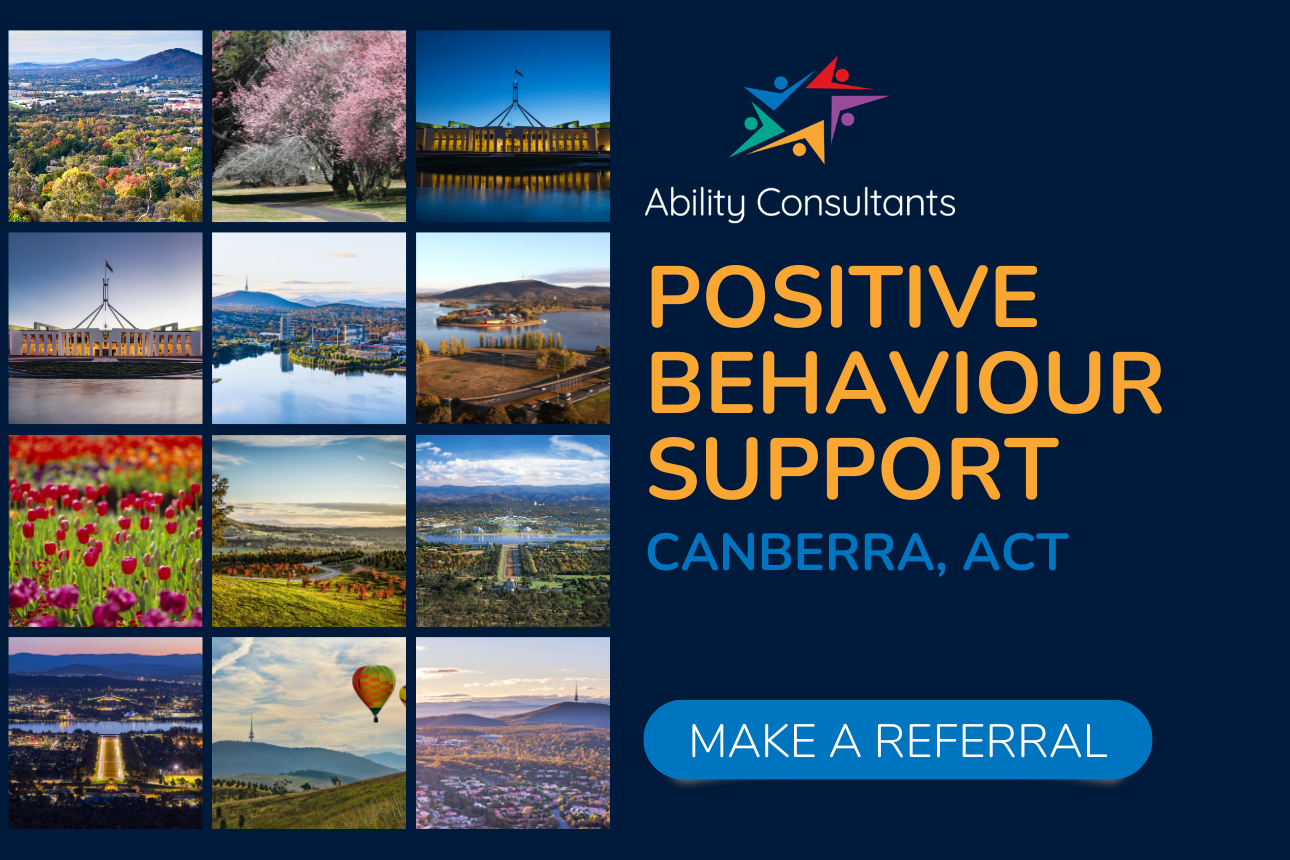
Harry Roden is a Behaviour Support Practitioner in Canberra, ACT. Harry supports NDIS participants of all ages throughout Canberra, from Braddon, Belconnen, and Dickson through to Woden and Tuggeranong. Get started with Positive Behaviour Support in Canberra by making an online referral for PBS anytime.
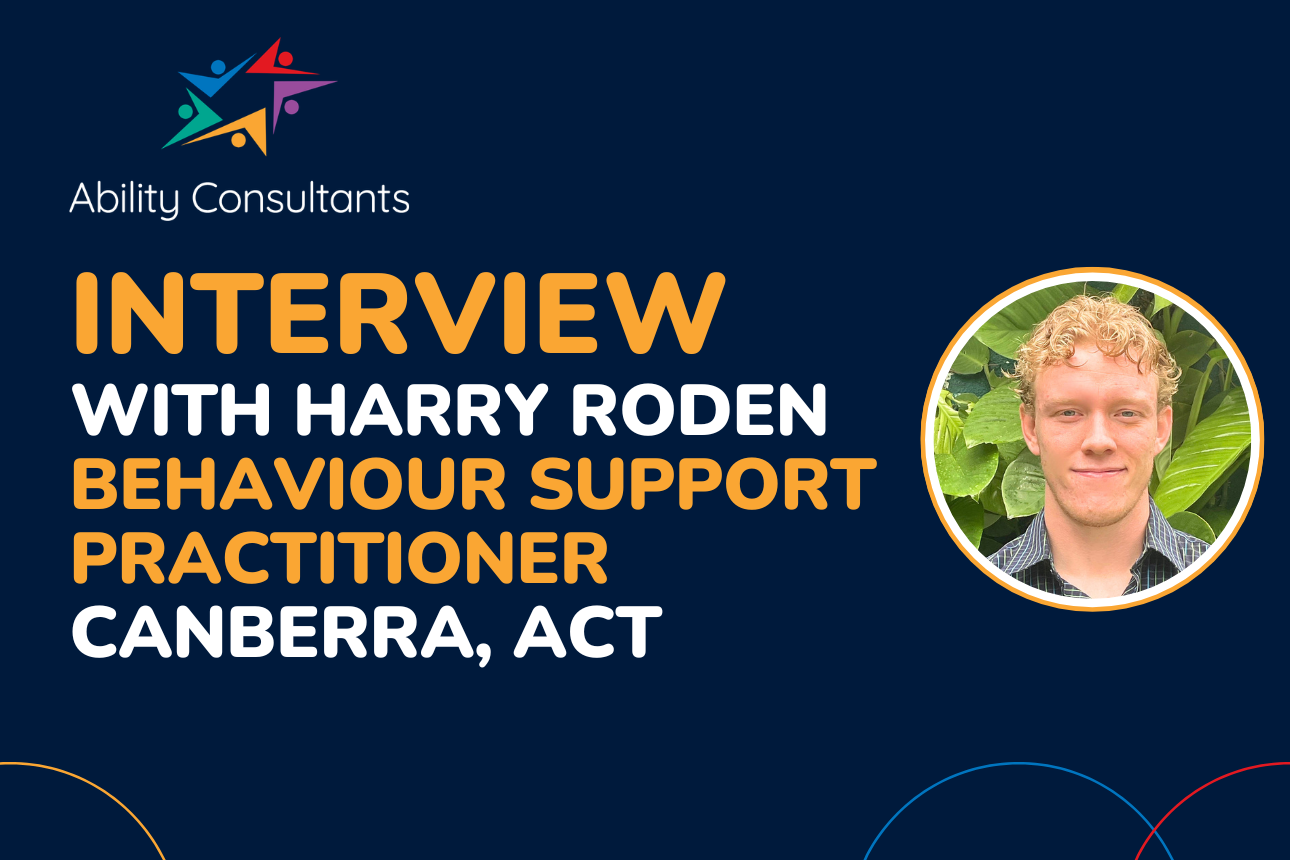
Meet Harry Roden, Behaviour Support Practitioner in Canberra, ACT
Hi Harry, welcome to our team of behaviour support practitioners in Canberra! Tell us about you!
Hi, I’m Harry, a Behaviour Support Practitioner based in Canberra. I started in disability support work when I was 19 and have built about six years of hands-on experience in that role. I’ve worked across supported independent living homes, in the community, and in one-on-one support roles. I really love the variety in my work, especially getting to know people on a deeper level, building strong rapport, and really understanding their needs.
I’ve supported a wide range of people, including those with autism, intellectual disabilities, mental health challenges, and complex behaviours. I completed a Bachelor of Human Services at Australian Catholic University, and my real passion is improving people’s quality of life—not just managing behaviours, but seeing long-term, positive change.
Outside of work, I stay active—I love Brazilian Jiu-Jitsu, and I spend a lot of time outside with my dog in nature. That balance keeps me grounded and consistent in my work, and I’m motivated by seeing even small improvements create real, lasting change in someone’s life.
You completed a degree in Human Services and Certificate in Positive Behaviour Support Services. Can you tell us more about your degree in Human Services and why you chose this degree?
I chose to study a Bachelor of Human Services because I was passionate about working in roles that directly support people and improve their quality of life. What I love most is building genuine connections and truly understanding where people are coming from.
The degree gave me a strong foundation in disability, mental health, social policy, and community services. I especially appreciated learning about person-centred practice and ethical support approaches. Ultimately, it was a pathway for me to do what I love, helping people and making a real, meaningful difference in their lives.
Can you share key principles from your degree that shape your work as a Behaviour Support Practitioner in Canberra?
The key principles from my degree that have really shaped my work as a Behaviour Support Practitioner are, first and foremost, a person-centred approach focusing on each person’s goals, preferences, and strengths, and really asking what quality of life looks like for them.
I’m also deeply guided by trauma-informed care, understanding that behaviour is often linked to past experiences, and I know how important it is to recognise that impact on their quality of life. I always take a strengths-based approach that was really strongly emphasised in my degree and I’m always working to increase autonomy as much as possible, reducing restrictive practices and prioritising safer, less restrictive strategies wherever I can.
You’ve been supporting individuals with diverse needs and disabilities for over six years. How has your experience influenced your approach as a behaviour support practitioner?
The time I spent working as a support worker has positively influenced how I do my job as a Behaviour Support Practitioner. It’s given me a deep understanding of what daily life looks like for people living with a disability, as well as for those who support them. Working as a support worker helped me develop the skills to build strong relationships and rapport with the people I support. I bring this skill into my current role as a behaviour support practitioner.
What’s really helped me as a behaviour support practitioner is that I can connect with and train support workers effectively because I’ve been in their role. I understand what practical changes can be made that create real, long-term impacts on the quality of life for people with disabilities. And I also know how to make sure that person-centred approaches are applied in the day-to-day, ensuring that each person’s needs and preferences remain at the forefront of their support. For example, supporting someone to choose their daily activities, adjusting routines to match their preferences, or making sure communication is adapted so they can fully understand and participate in decisions about their day.
What can NDIS participants expect from you as their Behaviour Support Practitioner in Canberra?
As a Behaviour Support Practitioner in Canberra, what are the first steps that NDIS participants can expect from you?
As a Behaviour Support Practitioner in Canberra, the first steps an NDIS participant can expect from me are making initial contact, usually via a phone call, where I ask a series of basic questions to start painting a picture of what’s going on for them.
After assessing safety, any immediate risks, or urgent support concerns, I then focus on building rapport with the participant and their support network. Building rapport is essential to my approach because it allows me to really understand the person—their needs, goals, routines, and what’s happening in their life that’s brought them to this point. Once I have that understanding, it helps me figure out how I can step in to support them, both in improving their own quality of life and helping those around them do the same. These are the first steps I take as a Behaviour Support Practitioner.
What key principles guide your work as a Behaviour Support Practitioner in Canberra?
The key principles that guide my work as a Behaviour Support Practitioner are a person-centred approach focusing deeply on each individual, their goals, strengths, and preferences, and what an improved quality of life means to them.
Tied to that is a strong focus on quality of life, prioritising long-term well-being, independence, and autonomy for the people I support. Another key principle is a strengths-based approach focusing on what a person can do, building on those abilities, rather than just deficits or behaviours of concern.
Finally, I use a trauma-informed care approach, which guides my whole practice. It helps me remember that behaviours often have a history and are linked to past experiences, and keeping that in mind ensures I stay empathetic, and responsive in the way I support each person.
As a Behaviour Support Practitioner in Canberra, do you support specific age groups or focus on specific diagnoses?
I don’t limit my work to a specific age group or diagnosis. I support people with a wide range of presentations, including autism, intellectual disabilities, mental health conditions, and other complex behaviours. I focus more on the individual rather than their age or diagnosis, because this allows me to truly connect with them, understand who they are, and figure out the best way to support them in their unique situation.
Positive Behaviour Support can be a new concept to some participants and their families. What advice do you have for participants or families who might be feeling worried about engaging in PBS for the first time?
Engaging in Positive Behaviour Support for the first time can feel unfamiliar for participants and families, and it’s completely normal to have questions or feel unsure at the beginning.
My role is to make the process clear, collaborative, and focused on improving quality of life while reducing restrictions and overwhelm in the lives of my clients and their support teams.
I would encourage families and participants to see PBS as a supportive and practical process aimed at understanding the person, rather than judging or labelling behaviour. It’s important to be open and honest about day-to-day experiences, as this helps build a clearer picture of what support is needed. I also encourage people to ask questions at any stage, as nothing is too small to raise, and to stay involved throughout the process, as family and support network input is really valuable and helps me provide the best possible service I can. Overall, the focus is on long-term improvements in wellbeing and quality of life, rather than quick fixes.
How can participants get started if they’re looking for a Behaviour Support Practitioner in Canberra?
Our behaviour support practitioners in Canberra support NDIS participants in the ACT and surrounds. Please feel welcome to make a referral for Positive Behaviour Support on our website.
If you have any questions and Positive Behaviour Support in Canberra, please feel welcome to contact us on 1300 694 625 or via our contact form.
Behaviour Support Practitioners in Canberra: Frequently Asked Questions
What is a Positive Behaviour Support Plan? Are these the same for all people?
A Positive Behaviour Support Plan is an individualised plan that helps paint a picture as to why behaviours of concern are happening and outlines strategies to support the person in a safe and positive way. It focuses on improving the individual's quality of life, building skills, and reducing the need for behaviours of concern. These plans are not the same for everyone, they are tailored to each individual based on their needs, goals, and circumstances.
Here’s an article where we explain Positive Behaviour Support Plans.
How do I know if my NDIS Plan includes funding for behaviour support?
There are specific funds in your NDIS Plan which you can use for behaviour support. We have two articles where we explain which NDIS funds you can use for PBS:
- Which NDIS funds can I use for Positive Behaviour Support?
- Frequently Asked Questions about NDIS funding for Positive Behaviour Support
Where is your office in Canberra?
Ability Consultants is a Registered NDIS Provider in Canberra. We don’t have a physical clinic anywhere in Australia — our team of over 100 behaviour support practitioners work remotely, and travel to see clients at a location that works best for them. This means participants don’t need to worry about fuel, travel or traffic.
Do your Behaviour Support Practitioner in Canberra support participants throughout the ACT?
Yes, we support NDIS participants throughout the ACT, including the Canberra-Queenbeyan metropolitan area:
North Canberra
Ainslie, Braddon, Campbell, Dickson, Downer, Hackett, Lyneham, O’Connor, Turner, Watson, Civic
Belconnen
Belconnen, Bruce, Charnwood, Dunlop, Evatt, Flynn, Fraser, Giralang, Hawker, Higgins, Holt, Kaleen, Latham, Lawson, Macquarie, McKellar, Melba, Page, Scullin, Spence, Weetangera
Woden Valley
Chifley, Garran, Hughes, Lyons, Mawson, O’Malley, Phillip, Torrens
Weston Creek
Chapman, Duffy, Fisher, Holder, Rivett, Stirling, Waramanga, Weston
Tuggeranong
Banks, Conder, Fadden, Gilmore, Gowrie, Greenway, Isabella Plains, Kambah, Macarthur, Monash, Oxley, Richardson, Theodore, Wanniassa
Gungahlin
Amaroo, Casey, Crace, Forde, Franklin, Harrison, Jacka, Moncrieff, Ngunnawal, Nicholls, Palmerston, Taylor
Molonglo Valley
Coombs, Denman Prospect, Whitlam, Wright
Where can I find more information about NDIS Positive Behaviour Support in Canberra?
The first step is to make a referral for Positive Behaviour Support on our website. You can do this anytime and you can make your own referral, or a member of your support team can make a referral on your behalf.
If you have any questions about Positive Behaviour Support, please feel welcome to call our team on 1300 694 625 or send a message using our contact form.
Contributors
Written by Harry Roden BHumServ, CertPBSP, Behaviour Support Practitioner, Canberra
Harry has over seven years experience in the disability sector, supporting individuals with autism, intellectual disabilities, and mental health conditions. Committed to continuous learning and collaboration, Harry values collaboration, adaptability, problem‑solving, and delivering high‑quality, individualised support.
Reviewed by Belinda Thurlow RMT (AMTA), MCMT, BMus, Provisional Psychodynamic Psychotherapist (ANZAP), Proficient Behaviour Support Practitioner, Brisbane
An experienced behaviour support practitioner, Belinda takes a warm, person-centred approach to supporting participants. She works closely with participants, their families and support teams to understand underlying causes and implement positive interventions that build skills and improvise quality of life. Belinda’s qualifications in Music Therapy and Psychodynamic Psychotherapy further enhance her work in Positive Behaviour Support.

 Virtual
  In-person